Sarah Salisbury, a doctoral student in art history at UC Riverside, has been awarded the Betsy James Wyeth Fellowship in Native American Art by the Smithsonian Institution.
The yearlong residential fellowship is considered one of the most prestigious for the study of Native American art. The recipient is provided with a stipend of $53,000 and as much as $5,000 for research trips.
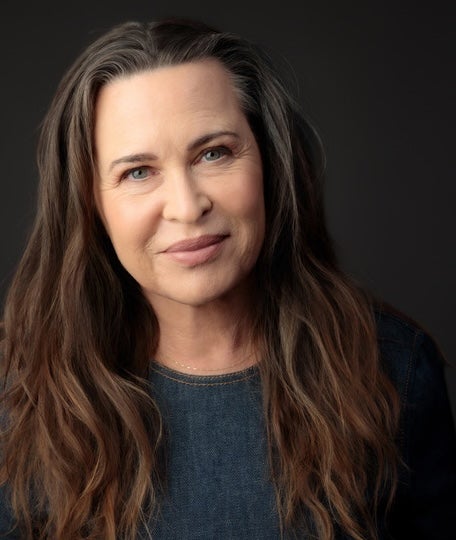
“I am profoundly grateful for the Smithsonian’s support and excited to honor a meaningful collaboration between Indigenous perspectives and traditional U.S. institutions,” said Salisbury, who steps into the role Sept. 1.
The fellowship was established at the Smithsonian American Art Museum and the National Museum of the American Indian through the Wyeth Foundation for American Art. Salisbury will have workspaces at both Washington, D.C., museums. She will continue research on her dissertation, whose working title is “Monumental Meetings: Locating Indigenous Monumentality at the Four Corners.”
The Four Corners Monument marks the only point in the United States where the boundaries of four states — Arizona, Utah, Colorado, and New Mexico — meet. It sits on land where the Navajo Nation reservation adjoins the Ute Mountain Ute reservation.
“From a Euro-Western perspective, the site has long commemorated an imposed geographic junction of four state borders, but in 2010 a Navajo-led redesign transformed the monument into a grand complex,” Salisbury said. “Currently, its architectural features appear to renegotiate traditions in U.S. monumental construction by exhibiting Navajo symbols of commemoration.”
Through community-centered scholarship, Salisbury said she aims to show how the Navajo have created a new kind of monument that reclaims the site for their community, highlighting Indigenous histories and perspectives of the region through contemporary voices of the Diné —the name the Navajo use to refer to themselves.
“I look forward to contributing to national conversations that evaluate the changing practices of public commemoration throughout the nation, with a focus on the vital contributions of the Diné people,” she said.