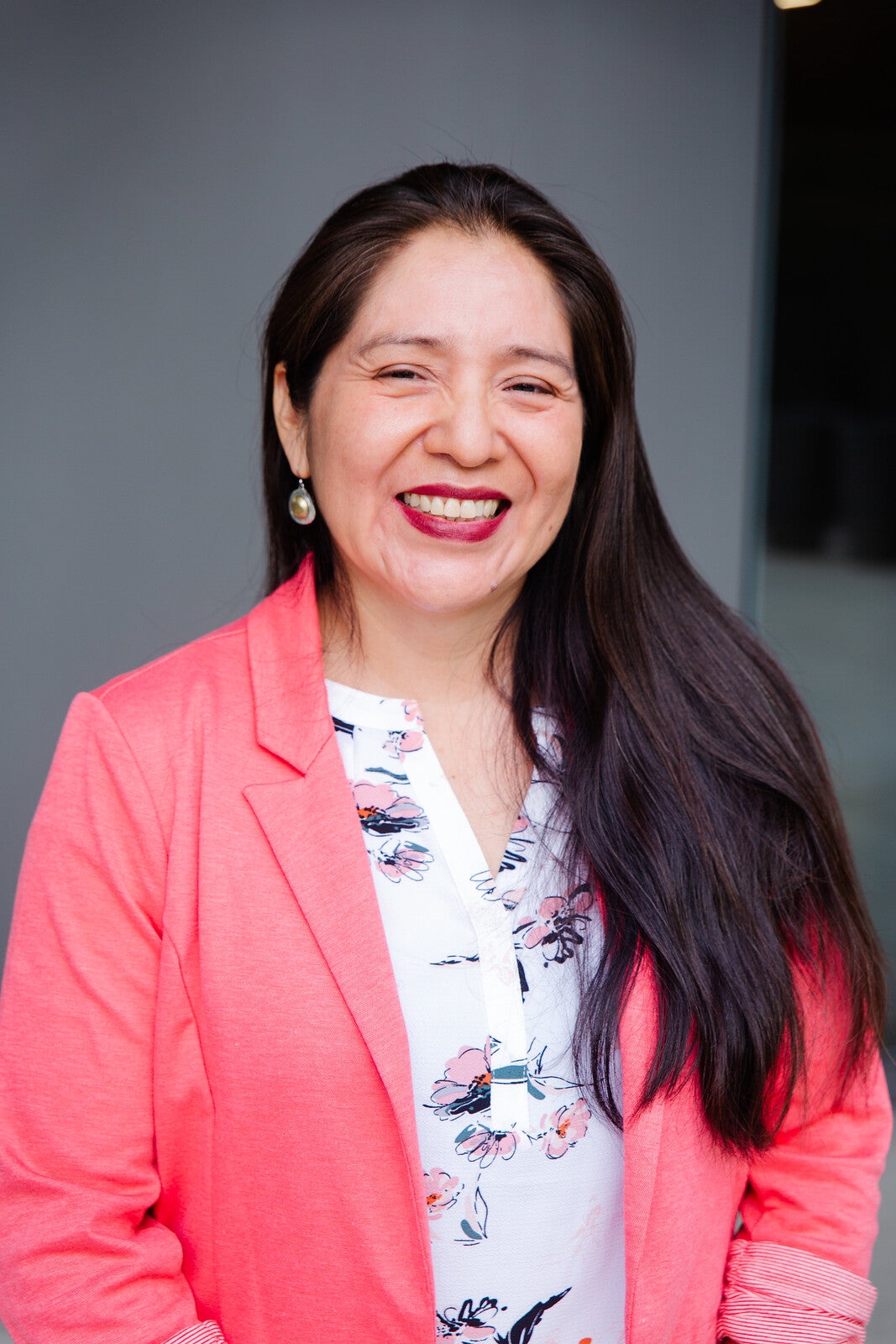
Claradina Soto at the University of California, Riverside has received a $900,000 grant from the Tobacco-Related Disease Research Program (TRDRP) to expand and evaluate a culturally tailored vaping prevention program for Native American youth across California.
Led by Soto, an associate professor of social medicine, population, and public health in the UCR School of Medicine, the three-year project builds on a successful pilot developed in partnership with Resources for Indian Student Education (RISE), a Native American Education Center in Modoc County. RISE also received $900,000 from TRDRP. Together, the partners created The Vaping Endgame, a prevention curriculum designed specifically for Native American middle and high school students.
California is home to the country’s largest Native American and Alaska Native population and 109 federally recognized tribes. Native American youth have the highest rate of e-cigarette use of any racial or ethnic group in the United States. Nearly all e-cigarettes contain nicotine, which is highly addictive and can harm adolescent brain development.
“This is a prevention initiative,” said Soto, who joined UCR from the University of Southern California Keck School of Medicine earlier this year. “Our goal is to reduce the initiation of vaping and nicotine use among Native youth by giving them the knowledge, skills, and confidence to make healthy decisions before they ever start.”
The new study will evaluate The Vaping Endgame through a randomized waitlist-controlled trial administered through 23 American Indian Education Centers across California. Staff at each center will be trained to deliver the five-session curriculum, and parents and caregivers will receive educational presentations and resources designed to increase their knowledge of the harmful effects of vaping and better equip them to support and protect their children from nicotine and vaping products.
The curriculum adapts Intervention for Nicotine Dependence: Education, Prevention, Tobacco and Health (INDEPTH), a supportive alternative to suspension or citation that helps schools address teen vaping. The curriculum incorporates the Medicine Wheel, an Indigenous framework that emphasizes the interconnected physical, emotional, mental, and spiritual dimensions of health, while combining evidence-based vaping prevention with positive coping skills, cultural teachings, and information about how the tobacco industry targets youth.
A pilot involving 32 Native American students in Modoc and Shasta counties showed the curriculum was both feasible to implement and well received. The statewide study will now test whether it reduces young people’s intention to vape while strengthening knowledge, healthy coping skills, and cultural connectedness.
Soto said culturally tailored prevention is essential because Native communities have historically been underserved by mainstream tobacco prevention efforts.
“For many Native communities, traditional tobacco is sacred and used for ceremonial, spiritual, or medicinal purposes,” she said. “It’s important that prevention efforts clearly distinguish traditional tobacco from commercial tobacco so public health messages respect Native cultural practices while addressing the harms of recreational nicotine use.”
The project will also establish a Youth Advisory Council and Community Advisory Board to guide the research and ensure it remains grounded in Native community priorities.