Susan Zieger, a UC Riverside professor of English, didn’t have to look far from campus to see the impacts of the logistics industry.
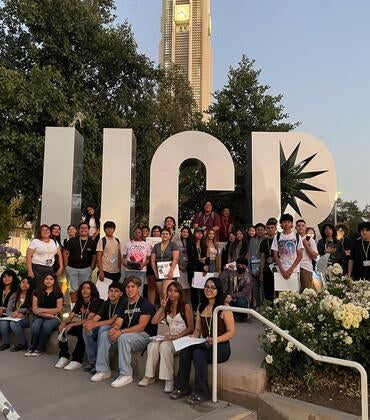
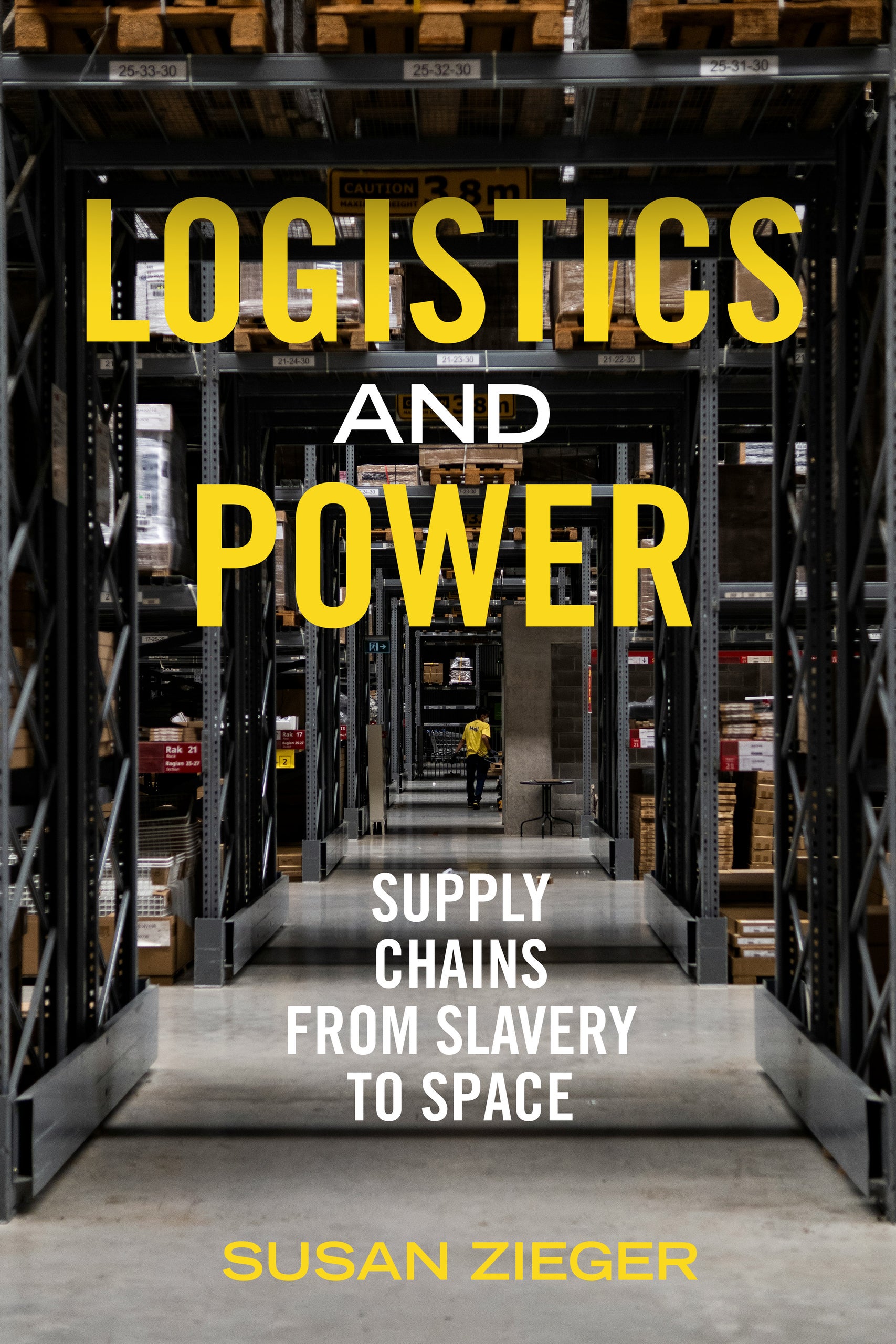
For her new book, “Logistics and Power: Supply Chains from Slavery to Space,” Zieger interviewed about 30 UCR students who worked in area warehouses to help pay their way through school. The book was published in September by University of California Press.

The students’ descriptions of the physically taxing labor and often difficult working conditions help illustrate the logistics industry’s impact on communities and workers, said Zieger, who dedicated her book to the students she interviewed.
They typically had part-time, temporary jobs with long hours, performing repetitive tasks such as picking up and stacking packages. Some would listen to class lectures or Zoom sessions on their earbuds while working.
“This was interesting and eye-opening for me,” Zieger said. “I’m really impressed with our UCR students and how they’re able to juggle their course work and their work inside the warehouses.”
Her book takes a global perspective of how logistics and supply chains, which encompass industries involved in the movement of goods, have transformed the lives of consumers and workers.
Zieger’s interest in global trade began at an early age, growing up in Staten Island, New York, where she could see the New Jersey ports and World Trade Center across the New York Harbor.
The idea for the book grew from her commute to campus from her Los Angeles home. Since she joined UCR in 2003, she noted the steady increase in truck traffic, with today’s motorists surrounded by a “slow moving canyon of trucks.”
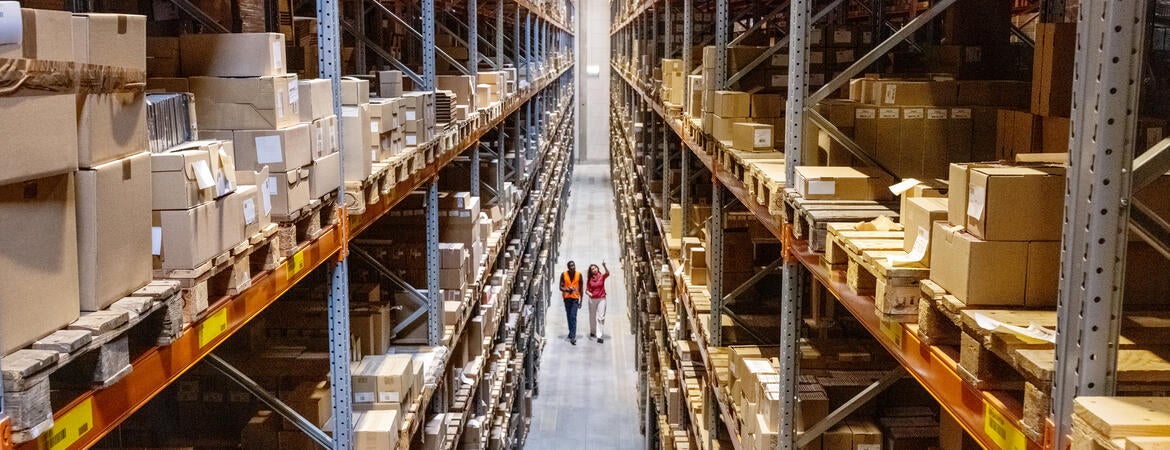
The Inland Empire provided a valuable lens to view the industry, Zieger said. It’s a logistics hub where goods flow from the Long Beach and Los Angeles ports to warehouses throughout the region before being sent by truck and train to the rest of the country.
The students Zieger who spoke to had varied experiences but the common thread was poor working conditions, constant monitoring, and low pay. They are identified with pseudonyms in the book.
One of the most serious stories was a student who suffered a concussion while trying to speed up her pace placing boxes on a conveyor belt. Her managers sent her to an urgent care clinic that was closed. She didn’t get treated until her brothers later took her to an emergency room. Two years later, she was still getting billed for a costly emergency room visit that should have been covered by her employer.
Students also described how they devised creative ways to help each other meet requirements to electronically scan packages continuously. With little time for bathroom breaks, they would scan items as they walked or have a friend scan items for them, Zieger said.
The experience of workers is just one element explored in the book, which looks at the history of logistics going back to the Atlantic slave trade to how technology is changing the industry today.
While logistics is often examined from business and economic angles, as an English professor Zieger wanted to explore its cultural and social impacts through storytelling.
“I’ve written the book for general readers who are interested in thinking about how logistics has changed our lives,” she said. “Like everyone else has noticed over the last 20 years, the texture of our everyday lives is different, and I’m mobilizing a whole history around that to think through what’s common across the ages and what has changed.”