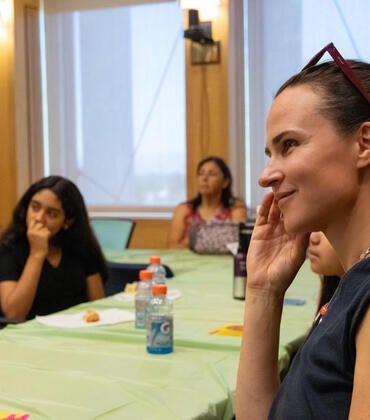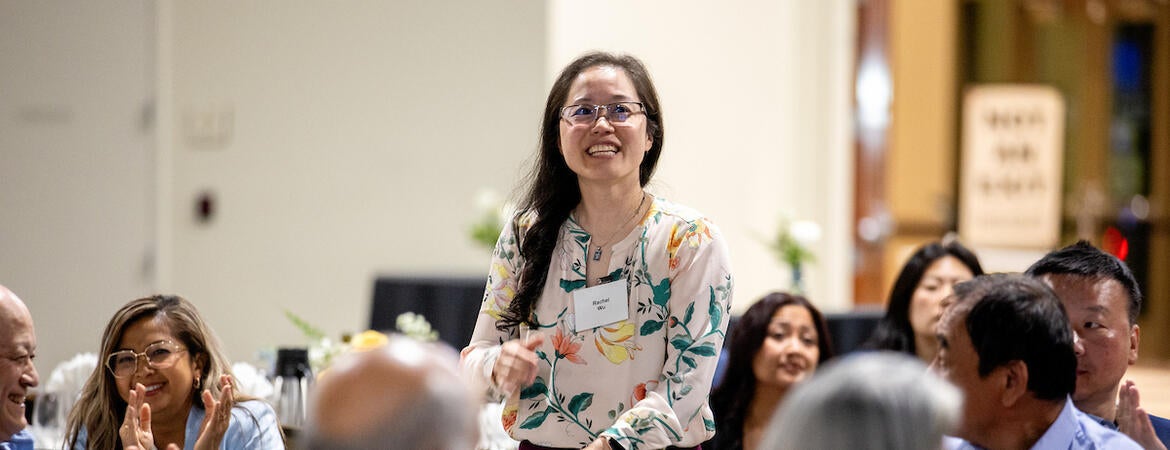
Most parents watch their children’s ice-skating lessons from the sidelines. Rachel Wu is out on the ice.
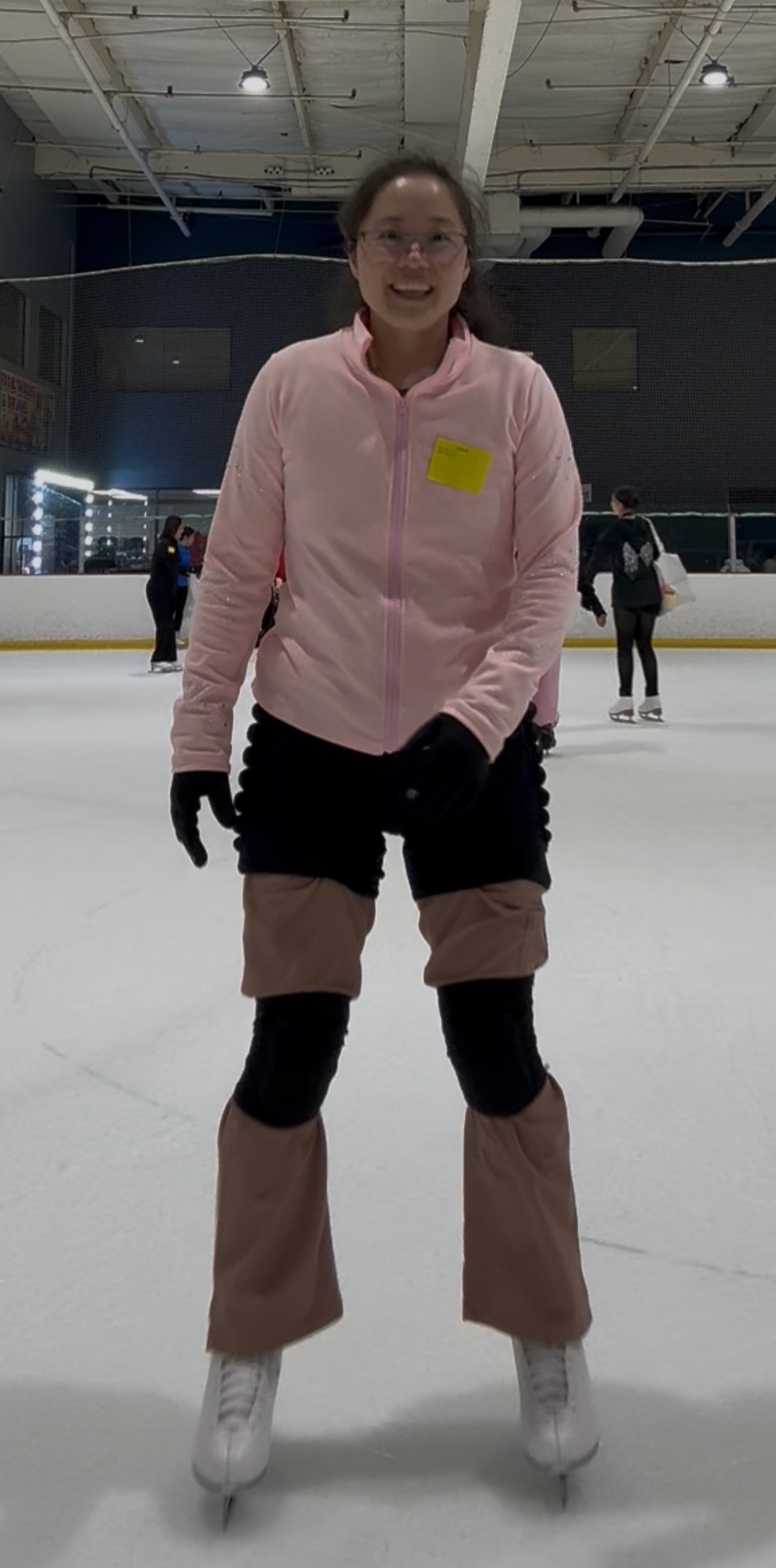
The UC Riverside psychology professor is learning to skate alongside her oldest daughter. The pair share the same coach, practice the same skills and celebrate the same milestones.
“She’s a little more willing to fall than I am,” Wu said. “I learn a little faster as an adult, but she’s more willing to make mistakes, so we’re keeping the same pace.”
For Wu, learning to skate isn’t just another hobby. It’s part of a lifelong commitment to becoming a beginner again and again — a philosophy that shapes both her personal life and her research.
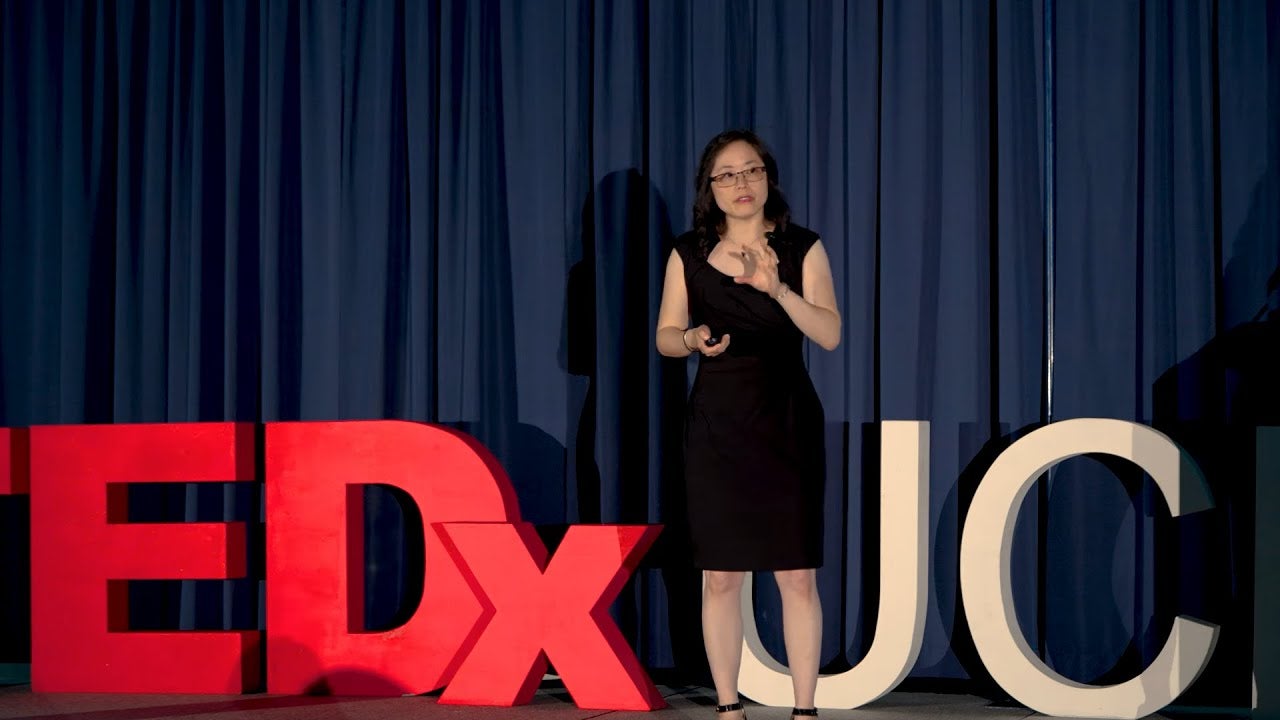
A developmental cognitive neuroscientist, Wu studies how people learn and pay attention across their lifespan. Her research explores how lessons from child development can help older adults continue learning, improving cognitive health and independence as they age. She has found that when older adults are placed in supportive learning environments, the kind that children often experience, they can significantly improve cognitive abilities while mastering practical skills, such as learning to use new technology.
Some of Wu’s biggest insights have come from her own extracurricular pursuits.
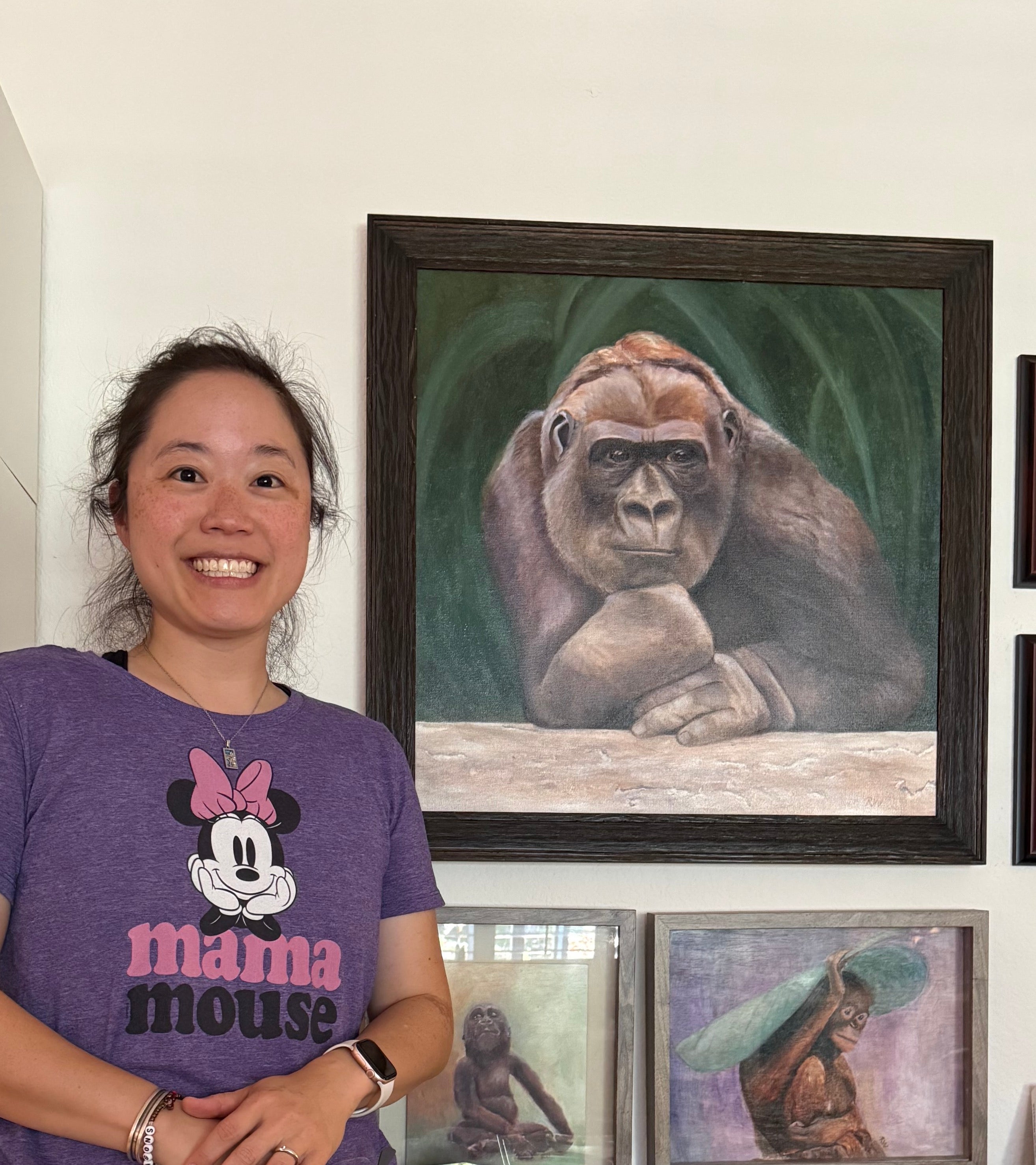
Every few years, she deliberately learns something new. That has included drawing, painting, singing, piano, speaking German, swimming, crochet, weightlifting, baking sourdough bread, and, most recently, ice skating. Hula dancing is next on her list.
“I wanted to learn the things I wished I already knew how to do,” she said.
Many of those activities now include her daughter. On Saturdays, they attend German school in Costa Mesa (Wu’s husband is German) — her daughter in the children’s classroom, Wu with the adults. Afterward, they head to the skating rink.
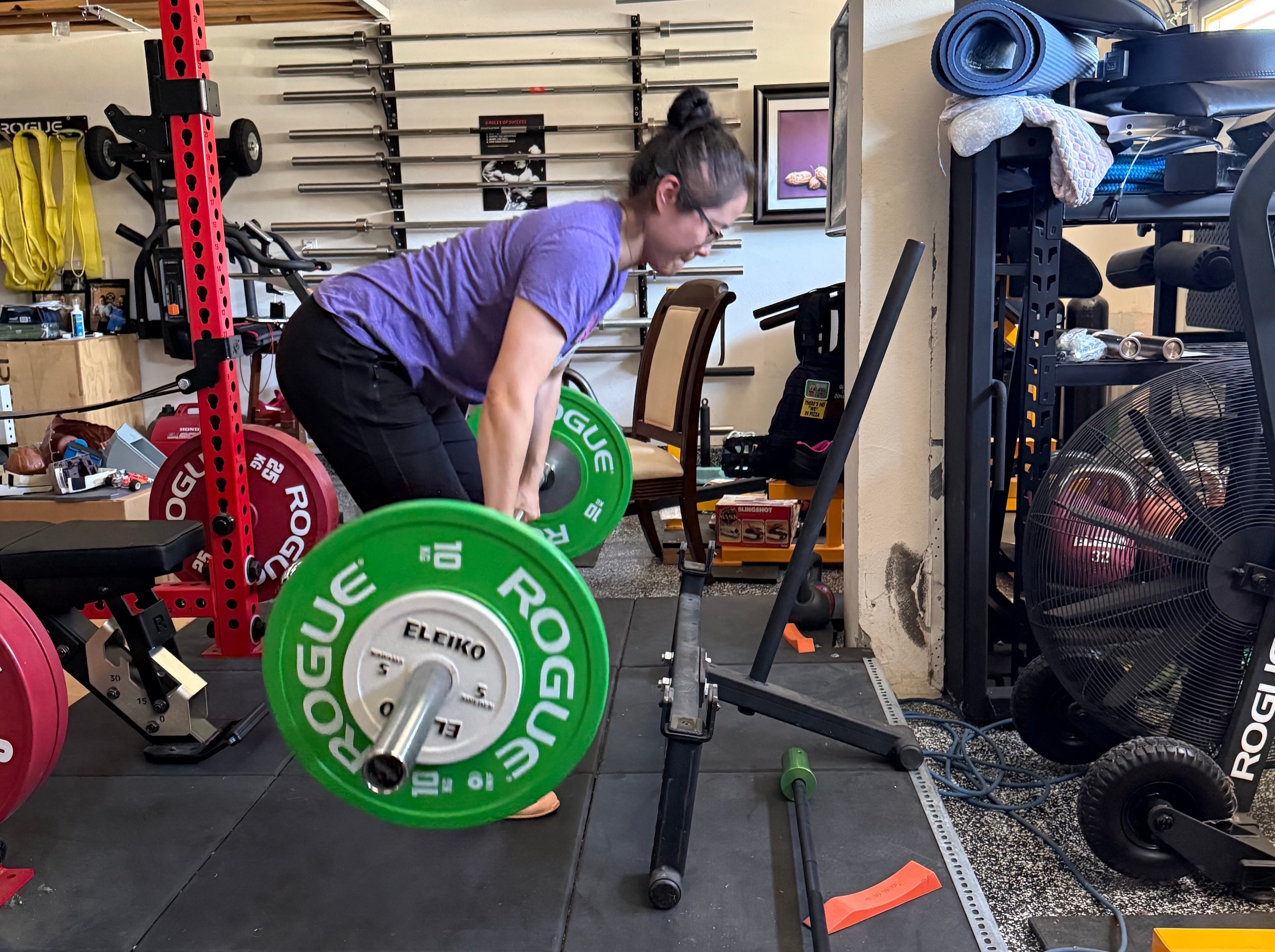
Wu is mother to three young children. Finding time for new hobbies while raising her toddlers might seem impossible, but Wu has made learning part of family life.
Each skill has also served a purpose. She began weightlifting before becoming a mother because she wanted the strength to carry her future children safely. She learned swimming because she wanted to be able to swim with them. During the pandemic, she taught herself crochet to make baby clothes they each wore for a photoshoot.
“It all had meaning and purpose,” she said.
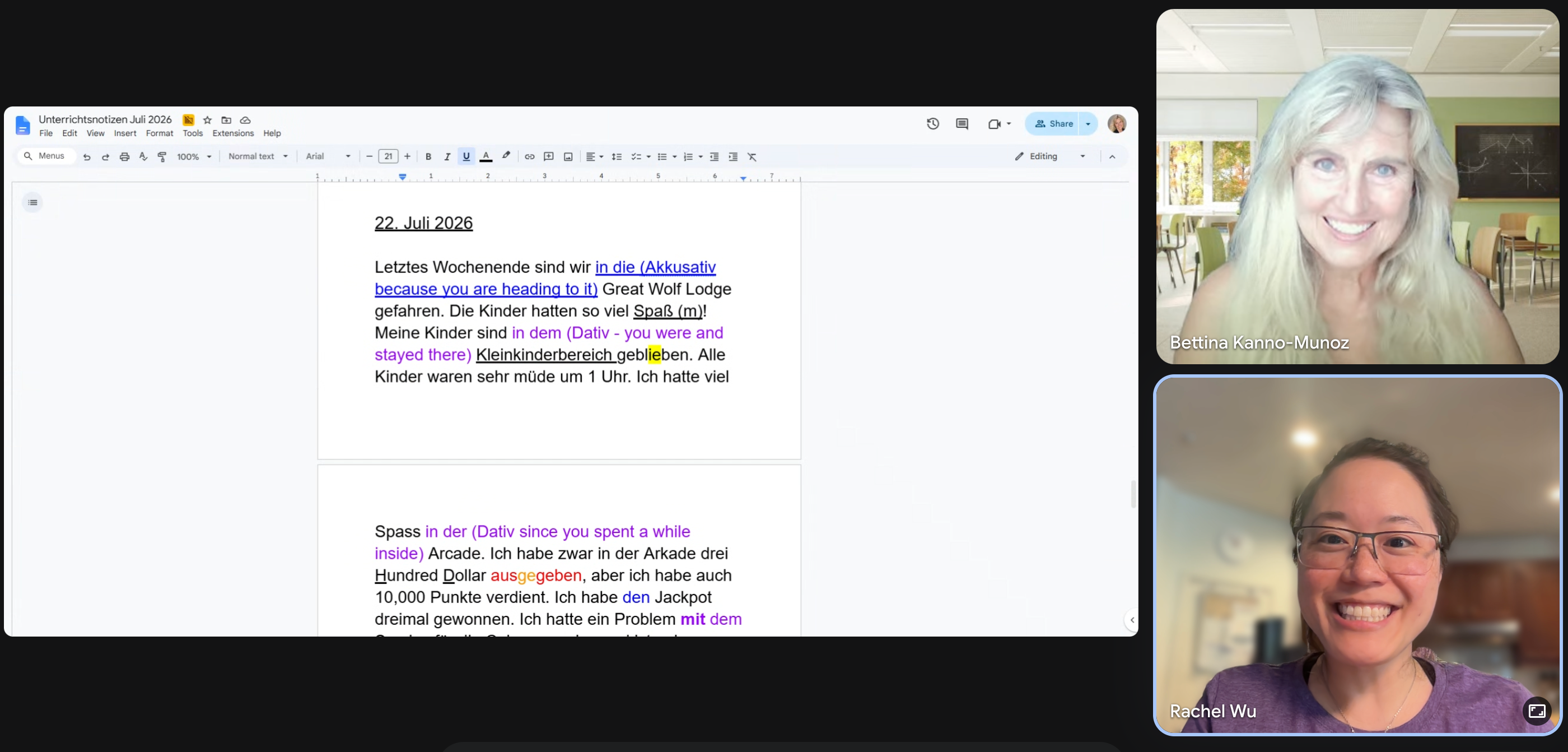
Wu’s journey into lifelong learning began during graduate school at Birkbeck, University of London, when she enrolled in art classes to become a better artist. To her surprise, instead of encouragement, she was often told she was wasting time that should be spent on her doctoral studies. When she improved, people attributed her progress to natural talent instead of years of practice.
“The same thing happened when I later learned piano and singing,” she said. “People wanted to believe the ability had always been there. They didn’t want to believe it was the effort.”
Those experiences became the foundation of her research, which has earned national recognition, including a National Science Foundation CAREER Award, the Presidential Early Career Award for Scientists and Engineers (PECASE), and election as a fellow of the American Psychological Association.
Wu says one of the biggest misconceptions adults have is that learning should occur quickly.
“We give babies one year to say one word,” she said. “Adults expect miracles, however, and want to become fluent in a language after just a few weeks.”
Another misconception is that mistakes are a sign of failure, she said.
“The people who make the most mistakes are often the ones who learn the fastest,” she explained. “In ice skating, people who fall all the time are usually the ones improving the quickest.”
According to Wu, older adults who continue learning new skills and pursuing new experiences tend to report better mental health, greater resilience, and lower levels of loneliness and depression than those who stop learning. The benefits aren’t immediate, she said, but accumulate over time as people become more adaptable and confident.
“Perhaps the biggest obstacle isn’t age at all — it’s believing that it’s too late to learn,” she said.
Wu has watched adults in their 60s, 70s, and even 80s begin learning entirely new skills. In her research, many participants started classes convinced they were too old to learn, only to discover they were far more capable than they had imagined.
“What I hope people gain most is confidence,” she said. “Not just confidence in that one skill, but confidence that they can learn other things, anything.”
That confidence extends beyond hobbies, she said. It helps people adapt to new technology, changing healthcare systems, and everyday challenges that require continual learning to remain independent.
Wu said that learning also provides balance.
“If I have a bad day because a grant gets rejected, but I finally master a new move on the ice, it’s suddenly not such a bad day,” she said.
For Wu, learning has never been about collecting hobbies or mastering every skill. It’s about staying curious, staying adaptable, and proving — to herself and to others — that growth doesn’t end with adulthood.
“You can learn almost anything you want to learn,” she said. “You simply have to give yourself the chance.”