At 120 miles per hour, Theodore Garland doesn’t have time to think about work or family responsibilities. With a corner approaching, cars in his mirrors, and a split second to decide when to brake, his attention is entirely on the racetrack. For Garland, a distinguished professor of evolution, ecology, and organismal biology at UC Riverside and a lifelong car enthusiast, that total concentration is part of the thrill of driving fast cars.
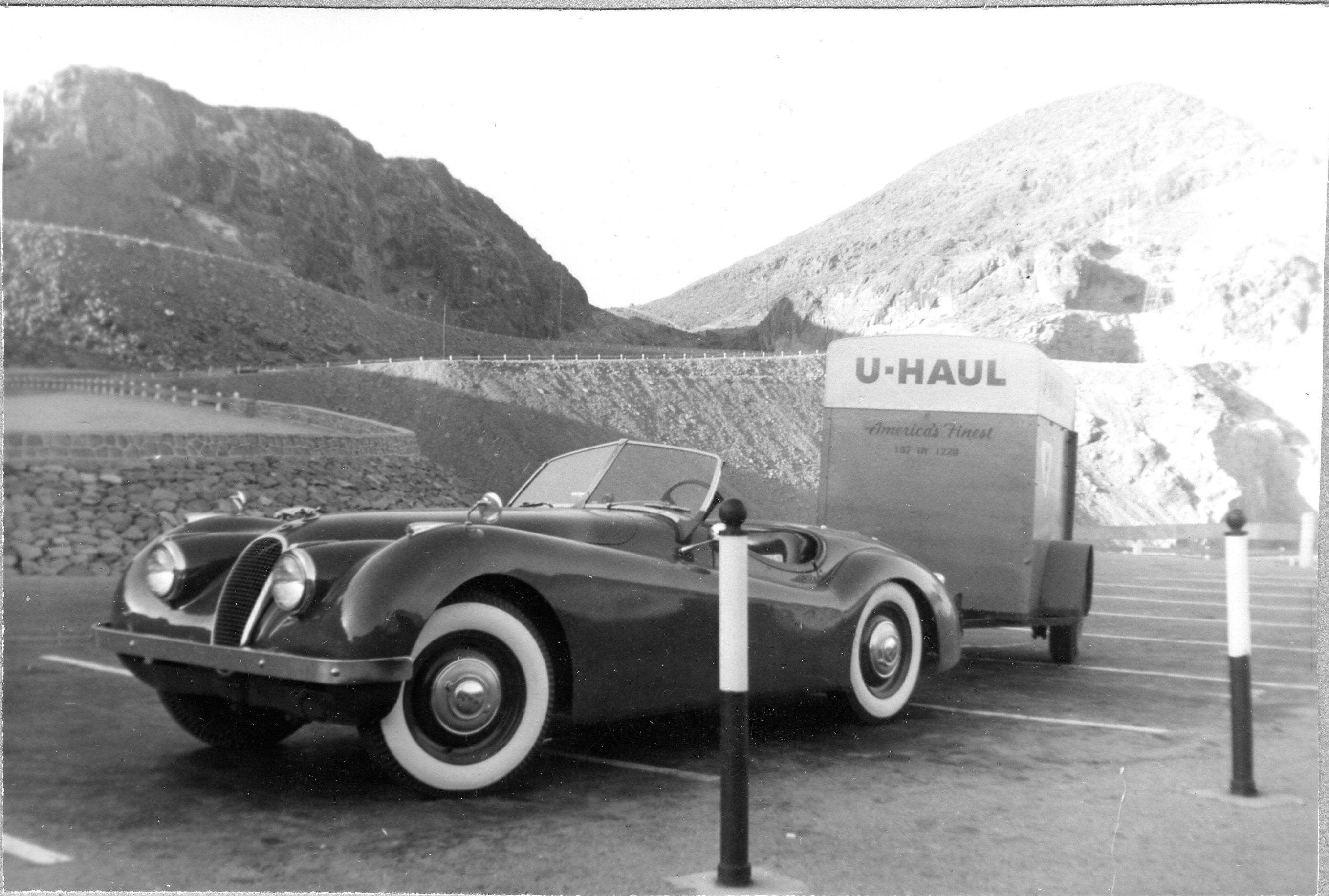
Garland's love affair with cars began before he was born. His parents drove a Jaguar XK 120 from California to Pennsylvania while his mother was pregnant with him. His father also owned an Austin-Healey Sprite, a tiny two-seater with no back seats. As a child, Garland sometimes rode tucked beneath the trunk area because there was nowhere else to put him.
By high school, Garland had bought his first car, an Opel GT, which he kept for 14 years through college in Las Vegas, Nevada, graduate school in Irvine, California, and his postdoctoral work in Seattle, Washington.
“It was what I could afford,” he said.
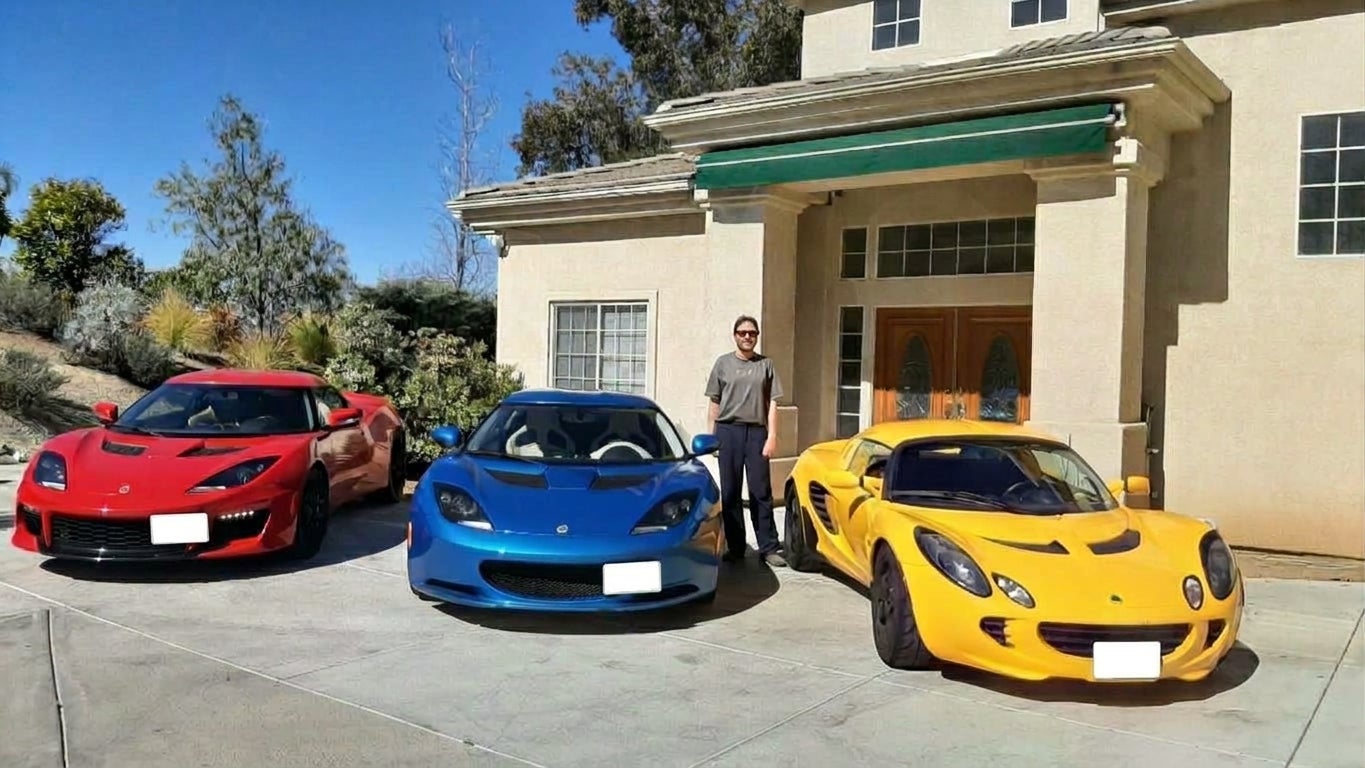
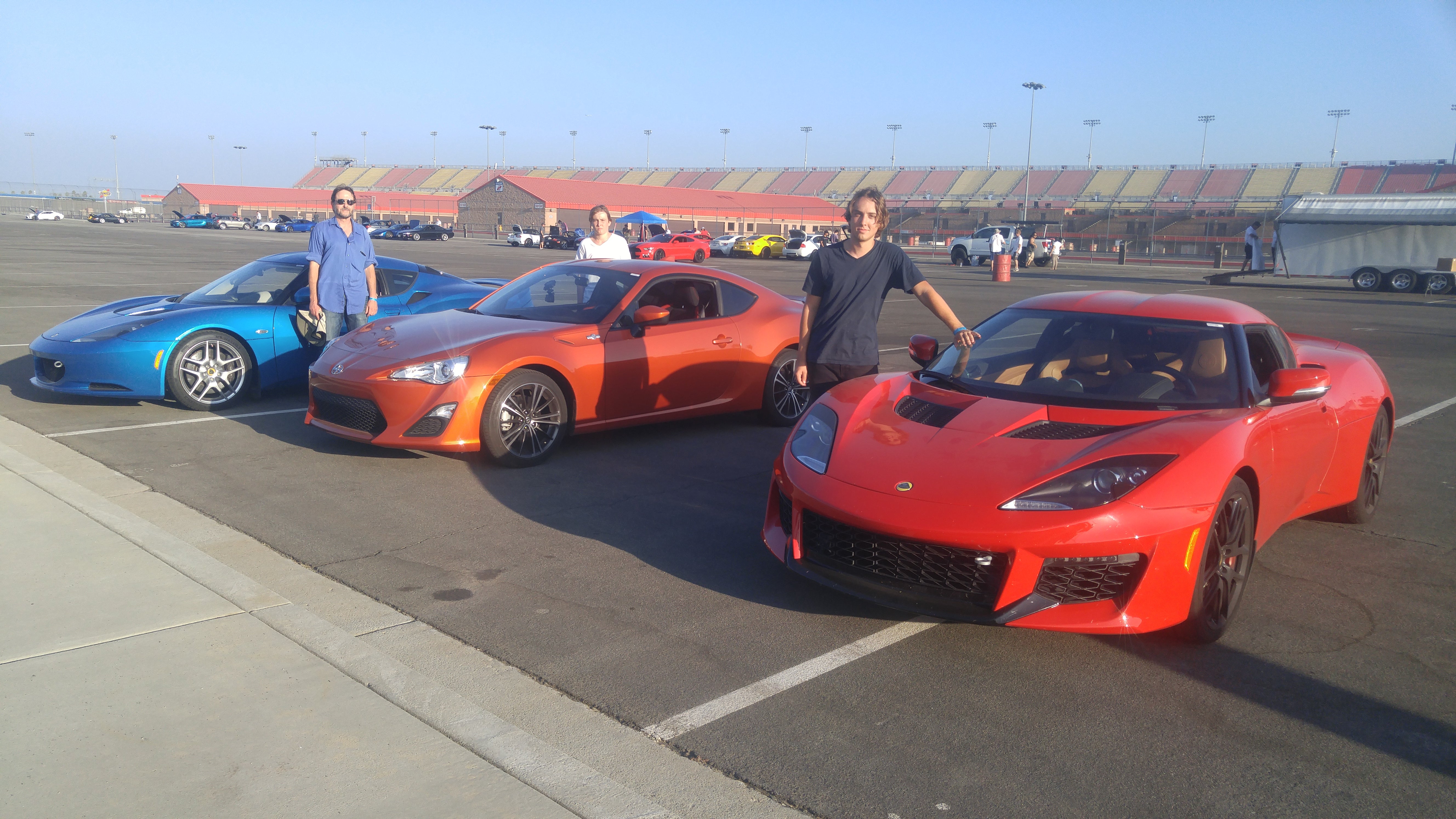
Garland and his friends performed engine overhauls and other repairs to keep the car running. When he moved to Wisconsin in the mid-1980s for a job, he traded it for a four-wheel-drive vehicle to cope with the weather conditions there. Years later, after a succession of practical vehicles, came what he jokingly calls his midlife crisis: his first Lotus.
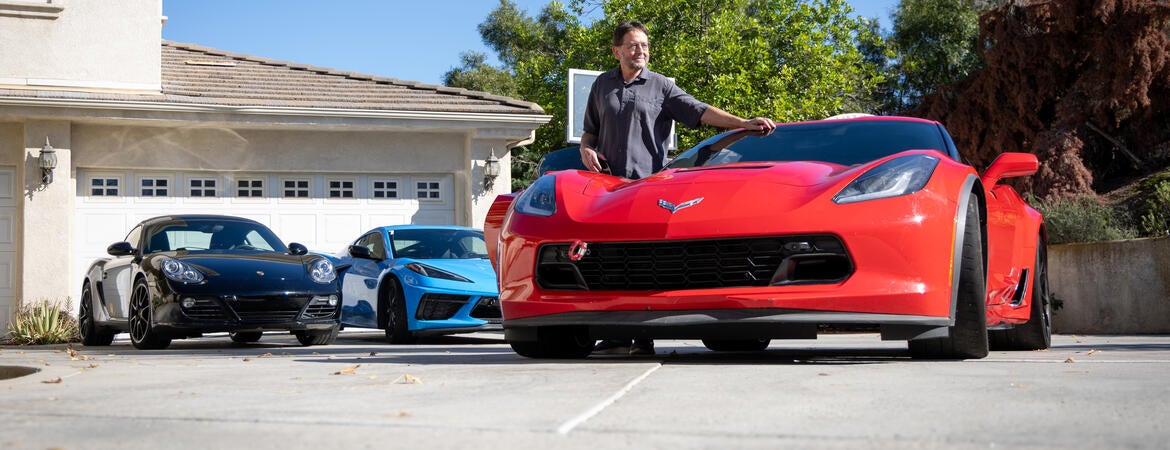
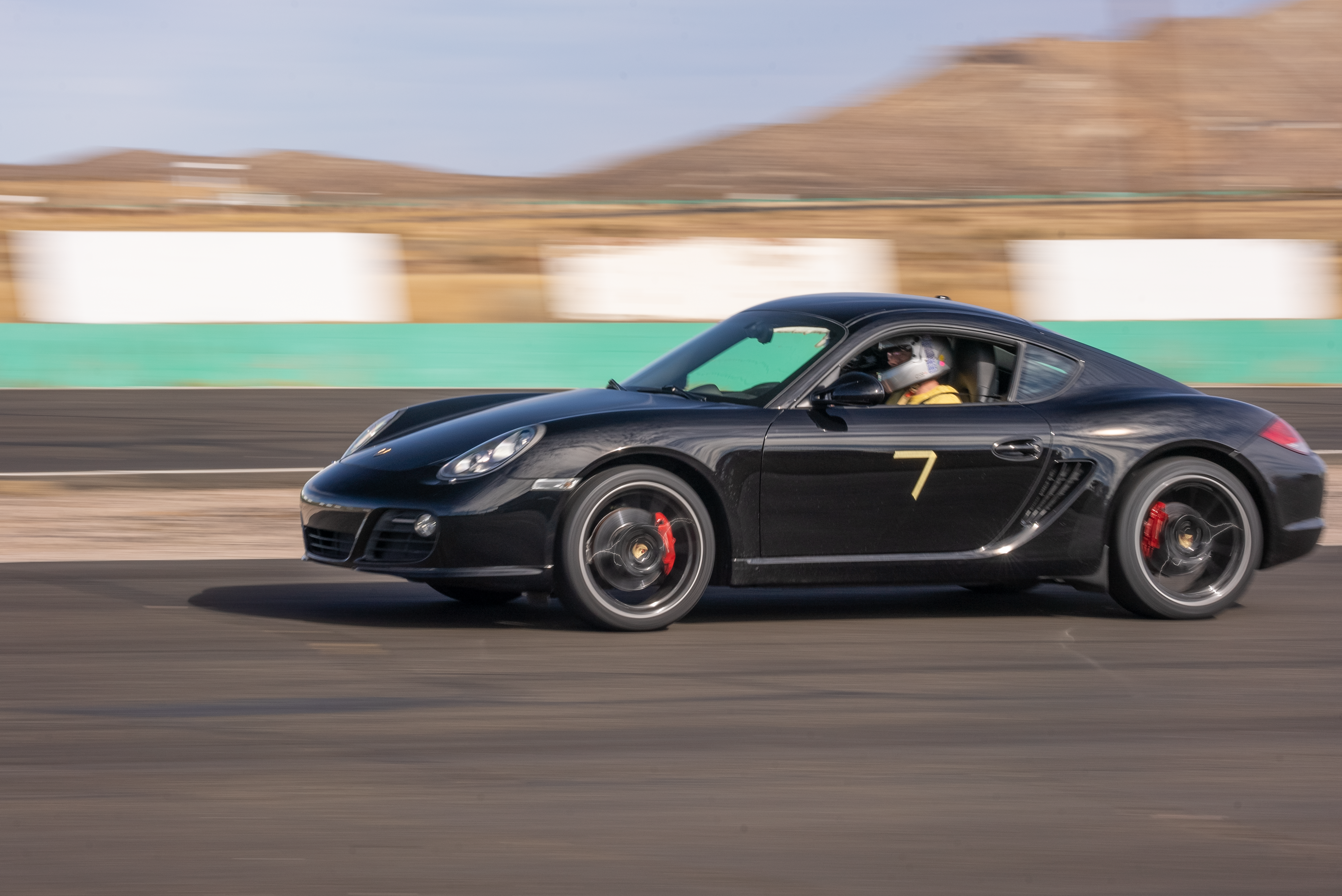
Now living in Riverside, he owned three of the British sports cars at one point, but the difficulty of finding a mechanic nearby eventually wore him down. He gradually sold them all. Today, he owns two Corvettes and a Porsche.
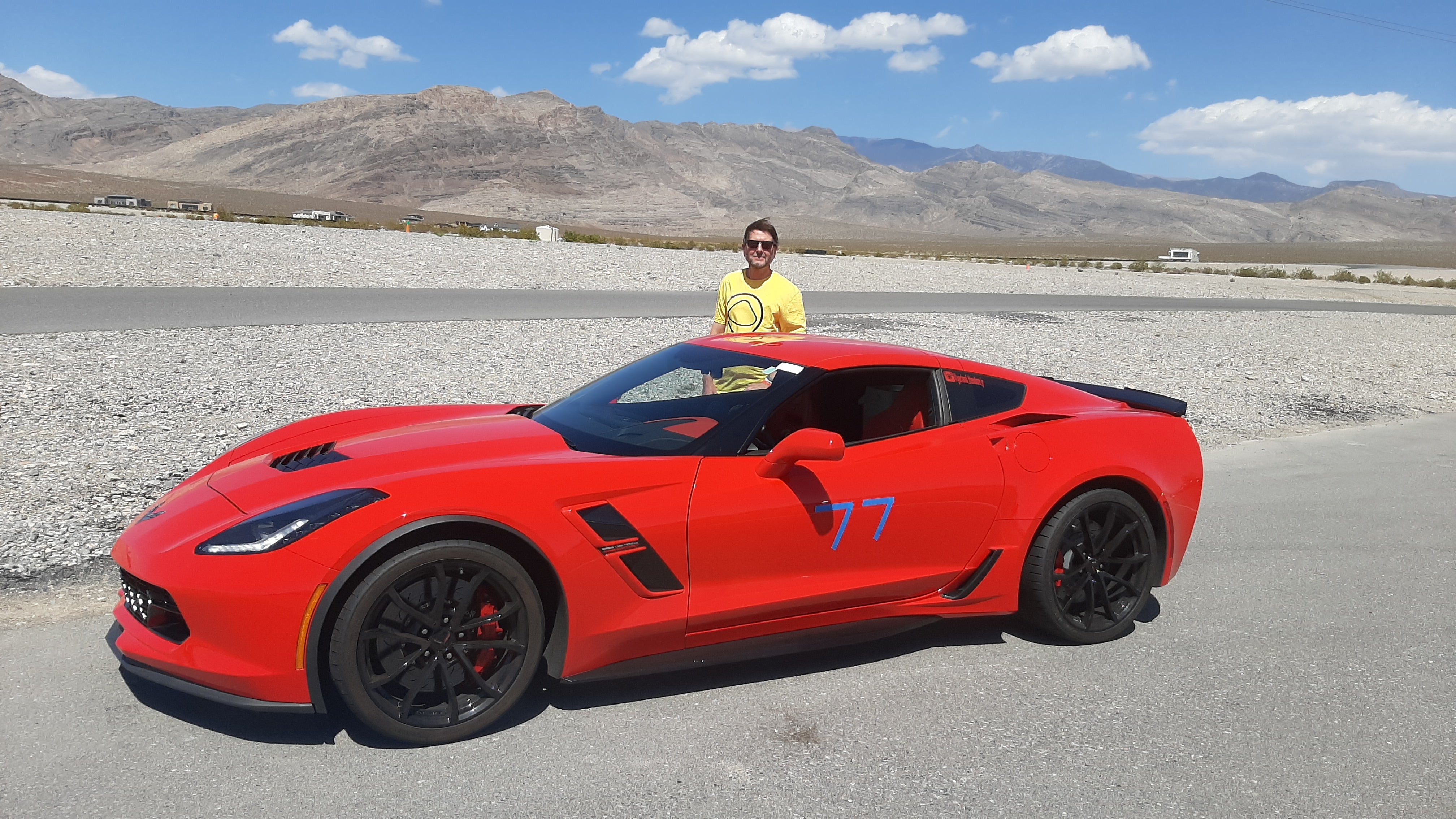
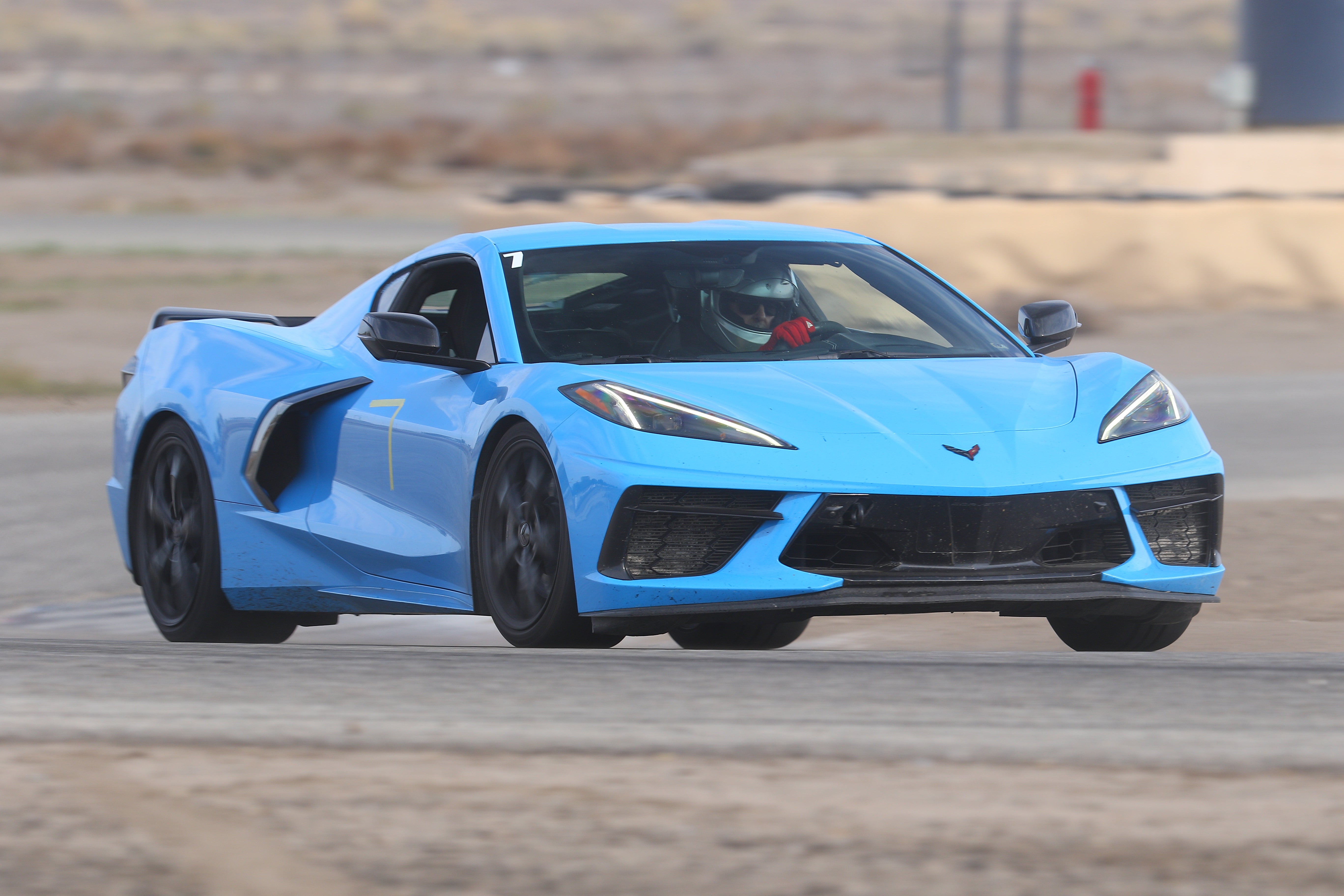
His favorite is a 2019 Corvette Grand Sport, which he considers particularly well suited to track driving. It is also the last generation of Corvettes with a front-mounted engine, before Chevrolet switched to a mid-engine design. Its roomy hatchback makes it practical for road trips, including visits to Laguna Seca, the racetrack near Monterey, California.
“I don’t go crazy on the street,” he said. “The point is driving them and, in particular, driving them on a track.”
More than a fast car
Garland has driven at 16 different tracks in California and Nevada. He used to attend track events at Fontana, California, about four times a year. Since the track’s closure in 2023, he has traveled about two hours to alternatives, including Chuckwalla Raceway near Desert Center. He participates in events organized through the Lotus Club of Southern California, a nonprofit group of which he is a board member. He also instructs first-timers.
A day at the track can cost $200 to $500, excluding gas, maintenance, and repairs, he said. Tires need replacing after only a handful of track days. Brake pads, brake fluid, and other components require frequent attention.
Although Garland sometimes describes what he does as racing, he distinguishes it from competitive motorsports. His events are known as track days or high-performance driver education (HPDE). Rather than competing for prizes, drivers practice their skills in groups organized by experience and speed.
“Actual racing typically requires specially prepared cars with equipment such as roll cages and fire-suppression systems,” he said. “Track-day participants often drive modified street cars they intend to take home afterward.”
The distinction doesn’t make track driving risk-free. Drivers must learn to brake effectively, navigate corners, anticipate other cars, and follow strict passing rules. Crashes are not uncommon, and participants have died, Garland said.
“When it comes to lap times, it’s really more about the driving, and not the car,” he said.
He knows firsthand that a skilled driver in a modest car can outperform someone with a much faster vehicle. He recalls being passed once by a Mazda Miata driven by a professional.
“That was humbling,” he said.
Garland emphasized that becoming a good driver takes years of practice. Many professionals begin in go-karts as children and work their way up through increasingly advanced levels, he said. They also train physically and use sophisticated driving simulators.
“It’s the seat time that matters,” he said. “You just have to be out there doing it all the time. It’s not like riding a bicycle, a professional instructor once told me.”
Garland shares his interest in cars with his two sons, Theo and Jaden. Theo drives an Audi RS 3, while Jaden has a Hyundai Veloster N. Both attend track days with their father. Garland admits Theo is probably a faster driver than he is, thanks in part to his youth and quicker reaction times.
He acknowledged the family hobby comes with hazards. Theo once had a wheel come off while driving down a straightaway but escaped without injury. Garland has driven off the track a few times, including one particularly expensive excursion.
Safety, according to Garland, is central to track events. Drivers wear helmets, convertibles require appropriate rollover protection, and officials use flags to warn of hazards or unsafe conditions. Beginners must receive a signal from the driver ahead before passing, while advanced groups may allow open passing, he said.
“Predictability and trust are essential when cars are traveling at high speeds in close proximity,” Garland said. “A careless maneuver can damage another vehicle or cause serious injury. Standard auto insurance does not cover track driving, and specialized track insurance can be expensive.”
The appeal of total focus
Despite the expense and potential danger, Garland keeps returning to the track for the intense concentration it demands.
“You have to be 100% focused,” he said. “If not, you will crash.”
For 15 or 20 minutes at a time, he must monitor his gauges, judge braking points, anticipate corners, watch cars behind him, and respond to track officials. There is no room to think about work, errands, or other everyday concerns.
He compares the sensation to riding a bicycle downhill at speed or skiing fast down a mountain: a combination of physical exhilaration, a little fear, and the awareness that something could go wrong.
Garland jokingly calls near-crashes “brown-flag moments,” a play on the actual flags used to communicate track conditions.
For Garland, track driving offers more than adrenaline. It provides a break from work and family responsibilities and connects him with a community of people who share his interests. His wife — Wendy Saltzman, a professor of evolution, ecology, and organismal biology at UCR — has ridden as a passenger with him and their sons but has little interest in driving fast herself.
“Wendy doesn’t discourage my hobby,” he said. “She’s happy to have me gone for a day or two.”
Some of Garland’s favorite days involve driving with friends whose cars and skills closely match his own. For a while, he and three friends who owned Miatas would attend track days together, taking turns following one another around the circuit and trying to keep up.
“That’s really exhilarating,” he said.
Unlike drivers who prefer an empty track to chase personal-best lap times, Garland enjoys the challenge of having others around. The shared experience and camaraderie, he said, are part of what makes the hobby rewarding.
For Garland, the attraction has endured from his first sports car to his current collection. He hopes to continue driving on the track for as long as he is physically able.
“I recognize that age can change reaction times and willingness to take risks,” he said. “But at 120 miles per hour, with a corner approaching, and my attention fixed on the road, I find something everyday life doesn’t easily offer: a few moments when nothing else matters.”
Header photo shows Theodore Garland with his Corvettes and Porsche. (UCR/Stan Lim)