Four University of California, Riverside researchers have been selected through a highly competitive international process to attend the Lindau Nobel Laureate Meeting, where they will join hundreds of young scientists from around the world to engage directly with Nobel laureates in Lindau, Germany.
UCR has the highest representation of any University of California campus at this year’s meeting.
Held June 28 to July 3, the annual gathering connects the Nobel laureates with promising young researchers for a week of scientific exchange, collaboration, and mentorship.
Among those selected are postdoctoral scholar Naoto Kubota and doctoral students Måns Eriksson, Olivia Taylor, and Alexander Thome,
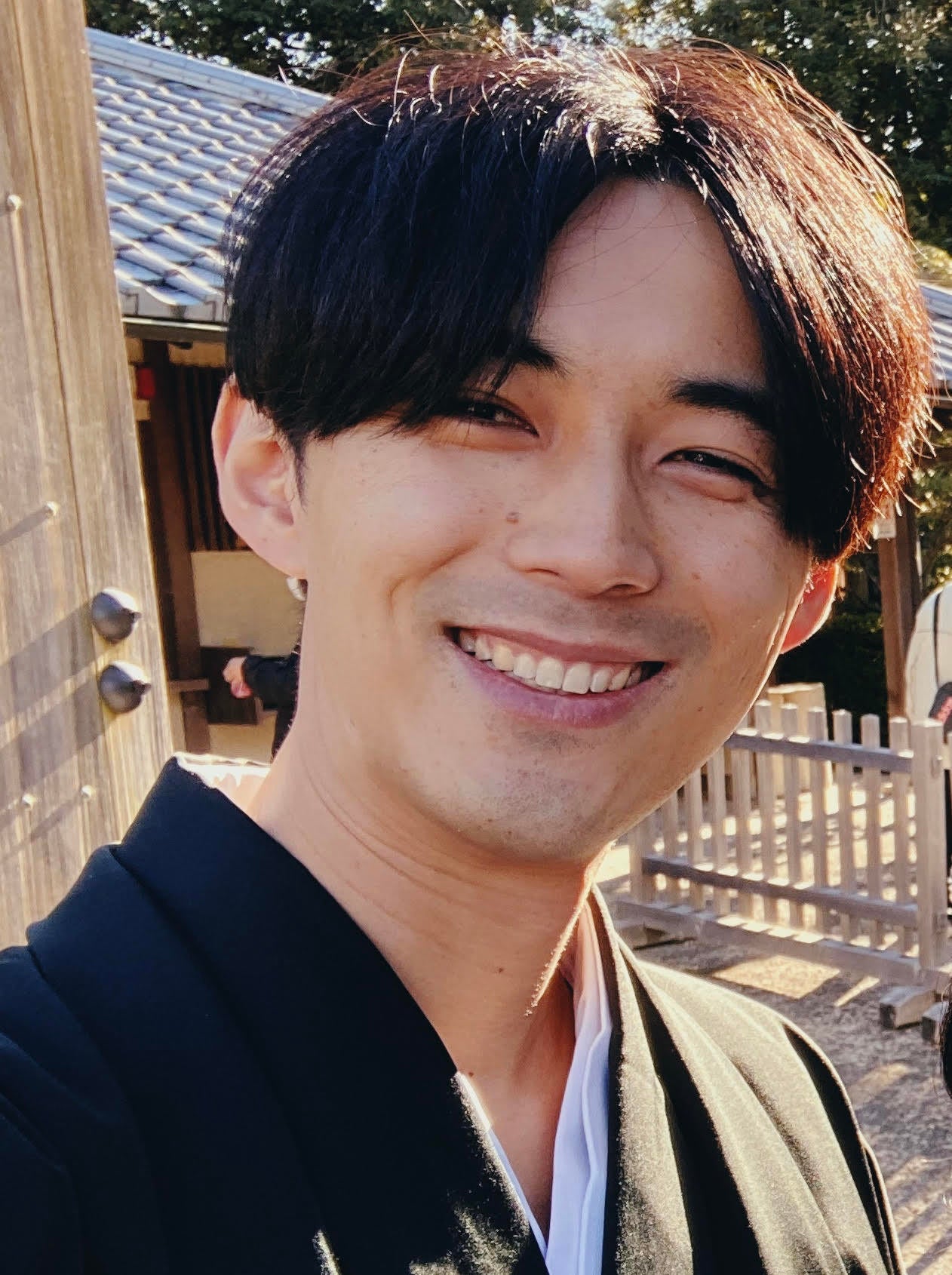
Kubota, a postdoctoral researcher from Osaka, Japan, studies computational biology in the lab of Sika Zheng, a professor of biomedical sciences. Driven by what he describes as “pure curiosity about biological systems,” Kubota focuses on how cells regulate RNA and how errors in that process can contribute to brain development and disease.
“I use computational and statistical approaches to study how cells control which RNA messages they use,” he said, “and how mistakes in this process can contribute to brain development and disease.”
Kubota said his time at UCR has allowed him to grow as an independent researcher in a collaborative environment that bridges computation and biology. He hopes attending the meeting will expand both his scientific perspective and professional network.
“I’m excited not only to learn from Nobel laureates, but also to meet outstanding young scientists from around the world,” he said. “I hope to have thoughtful conversations about how researchers from different backgrounds approach important scientific questions.”
Eriksson, a second-year doctoral student in chemistry, came to UCR from northern Sweden after completing his studies at Uppsala University. He now works in the lab of Emma Rova Danelius, an assistant professor of chemistry, studying emerging drug molecules that could target previously “undruggable” proteins.
“More than half of all proteins in the body cannot be targeted by traditional therapeutic drugs,” Eriksson said. “I study how these new types of drugs behave and adapt to different environments like chameleons.”
His research could help advance treatments for diseases such as cancer, where traditional drug approaches often fall short.
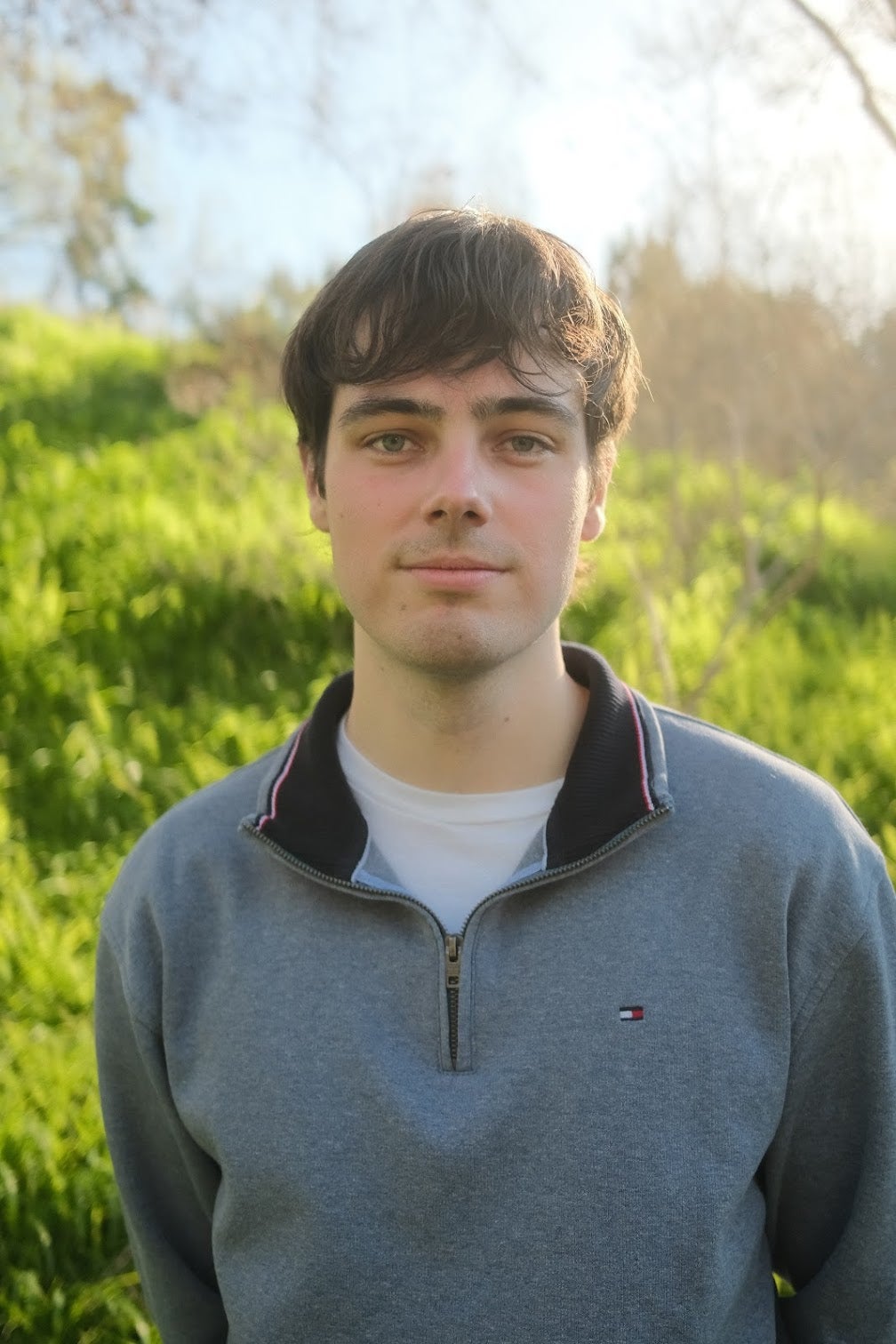
Eriksson said he was surprised to be selected for the Lindau meeting but sees it as both an honor and an opportunity.
“Attending and engaging with leading researchers and peers from around the world will enable me to exchange ideas, broaden my perspectives, and create lasting international connections,” he said.
He is especially eager to meet Kurt Wüthrich, whose pioneering contributions to nuclear magnetic resonance (NMR) spectroscopy have had a profound influence on his research. Awarded the 2002 Nobel Prize in Chemistry, Wüthrich developed groundbreaking NMR techniques that enable scientists to determine the three-dimensional structures of biological macromolecules — such as proteins — in solution.
Taylor, a fifth-year doctoral student in chemistry, is originally from Porirua, New Zealand, and conducts her research in the lab of Ana Bahamonde, an assistant professor of chemistry. Taylor was drawn to the Bahamonde research group’s collaborative culture and interdisciplinary approach, which integrates experimental and computational chemistry to develop new reactions and investigate their underlying mechanisms.
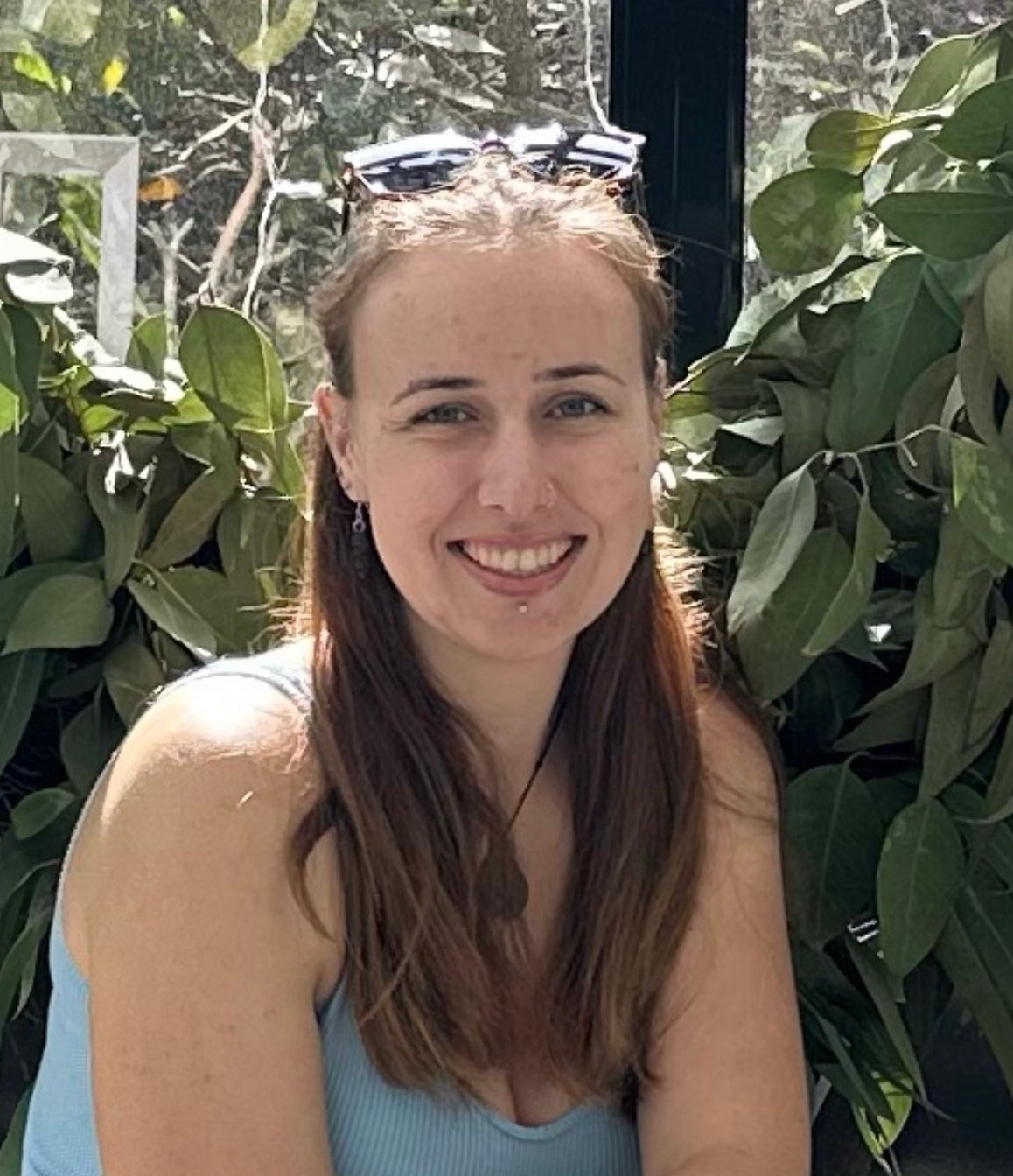
Taylor’s work focuses on advancing mechanistic understanding in nickel catalysis, an area at the forefront of modern chemical research.
“I was drawn to the opportunities provided by this research group to merge experimental and computational chemistry to develop reactions and probe their mechanisms,” she said.
Taylor is motivated by contributing insights that can help the broader scientific community use nickel catalysis more efficiently. She is especially excited to attend the Lindau Nobel Laureate Meeting, calling it “an incredible opportunity to gain new insight into how people think about research” and to “foster connections that could open the door for interdisciplinary collaboration.”
Thome, a third-year doctoral student from Murray, Kentucky, conducts research in the lab of Leonard Mueller, a professor of chemistry, where he uses nuclear magnetic resonance, or NMR, to study the structure and function of proteins.
His work focuses on bacterial enzymes that could serve as targets for new drugs. By analyzing detailed NMR data, Thome aims to better understand how these enzymes function at the atomic level.
“If we can determine the NMR chemical shifts of atoms in the active site, we can refine existing structures and gain a more precise understanding of how these enzymes function,” he said.
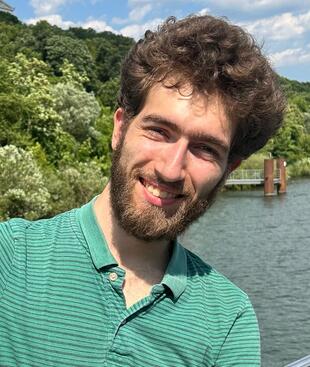
Thome emphasized the importance of collaboration in tackling complex scientific problems, noting that his lab frequently works with researchers using complementary techniques such as X-ray crystallography and cryo-electron microscopy.
Like Eriksson, he hopes to connect with Wüthrich at the meeting and learn more about the future of protein NMR research.
All three researchers highlighted the importance of global collaboration in science and the value of engaging with peers from different backgrounds.
“Science needs to be open and shared beyond borders,” Eriksson said. “When we limit that exchange, we all lose.”
Kubota echoed that sentiment, adding that he hopes to learn how other young scientists are thinking about the future of research and the next big questions in their fields.
For students considering applying in the future, the message is simple.
“Do it — you never know where opportunities might lead,” Eriksson said.