Four UC Riverside faculty members have received 2026 Early Career Faculty Research Excellence Awards from the University of California Office of the President.
The awardees are selected from across the 10 UC campuses. Selection includes a one-time $50,000 allocation to support faculty research projects.
All projects supported by the award aim to advance careers by enabling the completion of a milestone accomplishment, as well as contributing to the advancement of knowledge in a given subject. In addition, the selection committee considers projects for which access to extramural funding is generally limited, and for which the federal funding environment has changed, making federal grants difficult to obtain.
The recipients are:

Juliet Morrison, an assistant professor in the Department of Microbiology and Plant Pathology. Her research explores how immune cells called macrophages may be harnessed to fight viral lung diseases such as influenza and COVID. Morrison’s lab also studies how emerging and re-emerging viruses antagonize innate immune pathways to promote their replication and drive disease. Current viral therapeutic interventions generally target viral replication alone. However, the Morrison lab is researching a complementary strategy for reducing morbidity and mortality, targeting host cells and pathways that contribute to the resolution and/or progression of viral disease. The findings could inform new approaches to treating respiratory diseases and improving immune responses to serious viral illnesses.
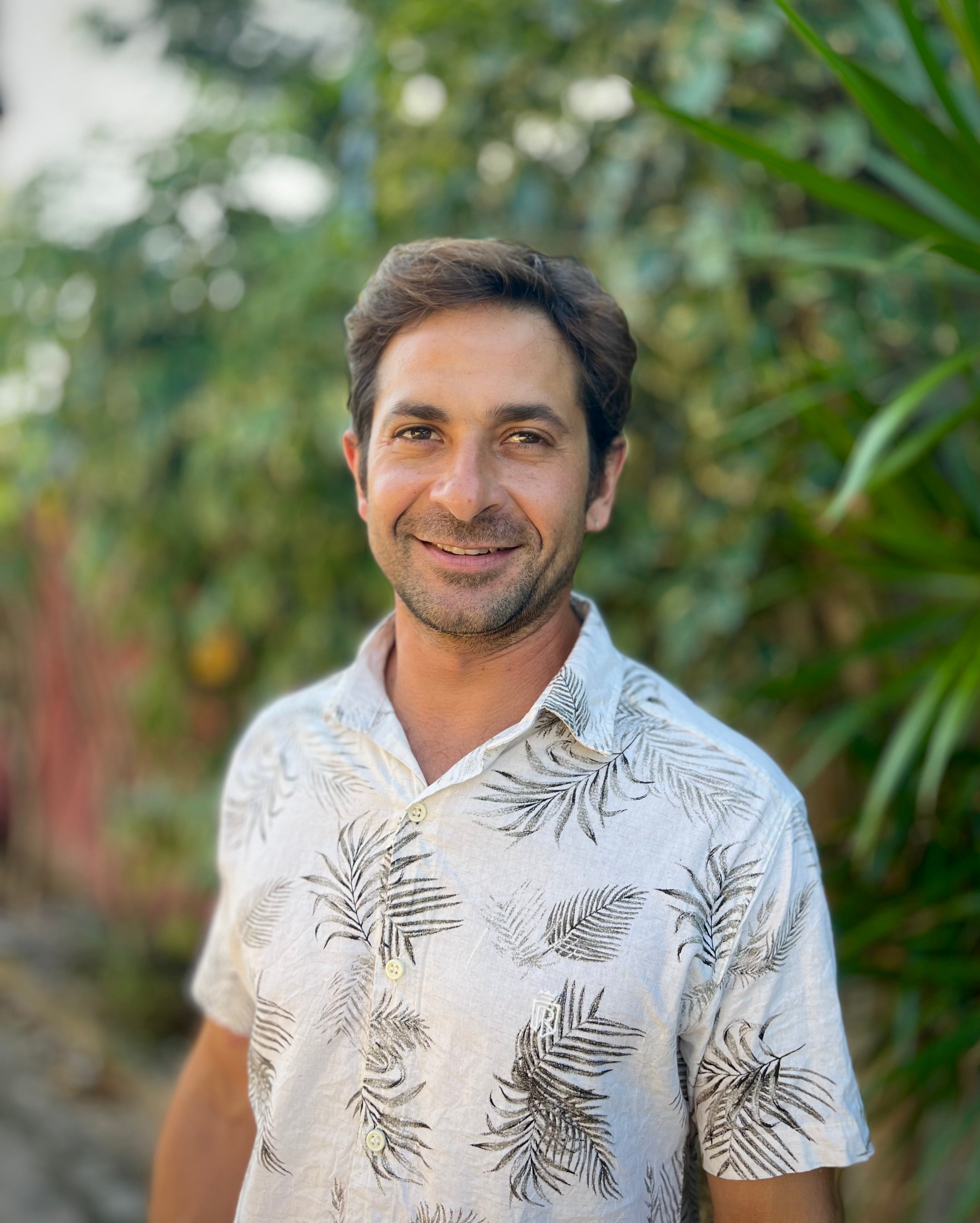
Pedro Martinez, an assistant professor in the Department of Environmental Sciences. His research group focuses on landscape evolution using soils as archives of past environmental change. One of his projects examines how soil-forming processes influence the development and long-term evolution of Southern California vernal pools, which are rare seasonal wetlands that support unique biodiversity and several endemic species. Using field-based soil investigations, topographic analysis, and geochemical dating techniques, the group will reconstruct the history of vernal pool development and evaluate how these ecosystems respond to environmental change. The findings will help guide conservation and restoration efforts across California’s rapidly declining vernal pool landscapes.
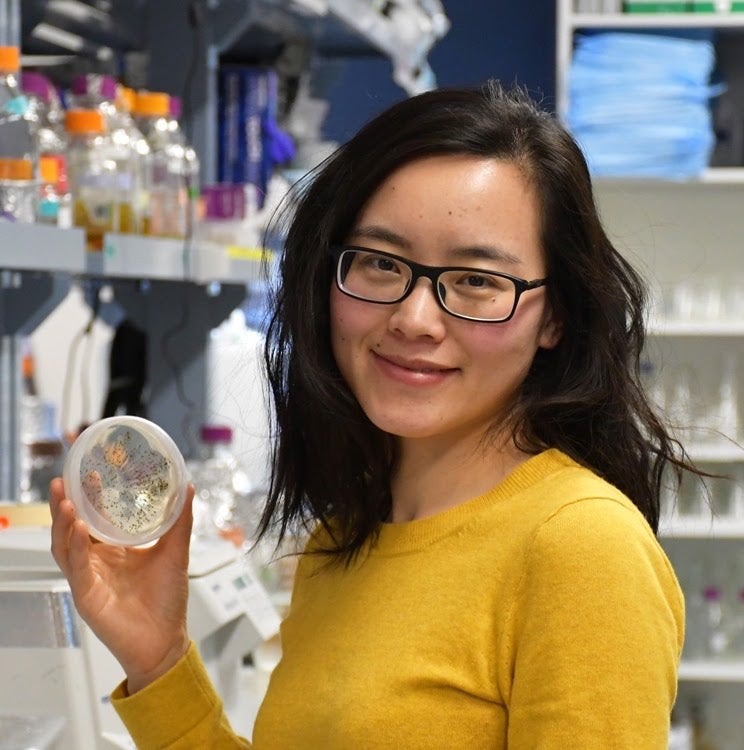
Tingting Xiang, an assistant professor in the Department of Bioengineering. Her project investigates how interactions between corals and the microscopic organisms they depend on, called symbionts, influence coral survival under heat stress. Some of these symbionts provide coral with photosynthetically fixed carbon while the coral supplies the symbionts with inorganic nutrients and a haven from predation. The Xiang lab uses a combination of functional genomics, genetic engineering, molecular biology, and cell biology to understand the mechanisms underlying the symbiotic relationship between coral and algae, and develops strategies to engineer better climate resilience and support reef survival in warming oceans.
Wei Kang, an assistant professor in the School of Public Policy. Kang received the award for the research project, “The Geography of Eviction: Multi-Scale Evidence on the Diffusion and Persistence of Housing Instability,” which will be conducted during the 2026–27 academic year. Kang’s research examines how eviction and housing instability spread and persist across geographic regions and communities, an issue with growing implications for public policy, economic inequality, and community well-being.
(Cover image: Olivier Le Moal/iStock/Getty)