Marin Furukuwa’s path to epilepsy research began with a personal diagnosis that sparked a deeper curiosity about her own health. After joining UC Riverside as a freshman in fall 2024, Furukuwa quickly connected with Viji Santhakumar’s research lab — a decision that would profoundly shape her academic and career goals.
“Having recently been diagnosed with a form of generalized epilepsy, I was eager to understand the science behind my condition,” Furukuwa said.
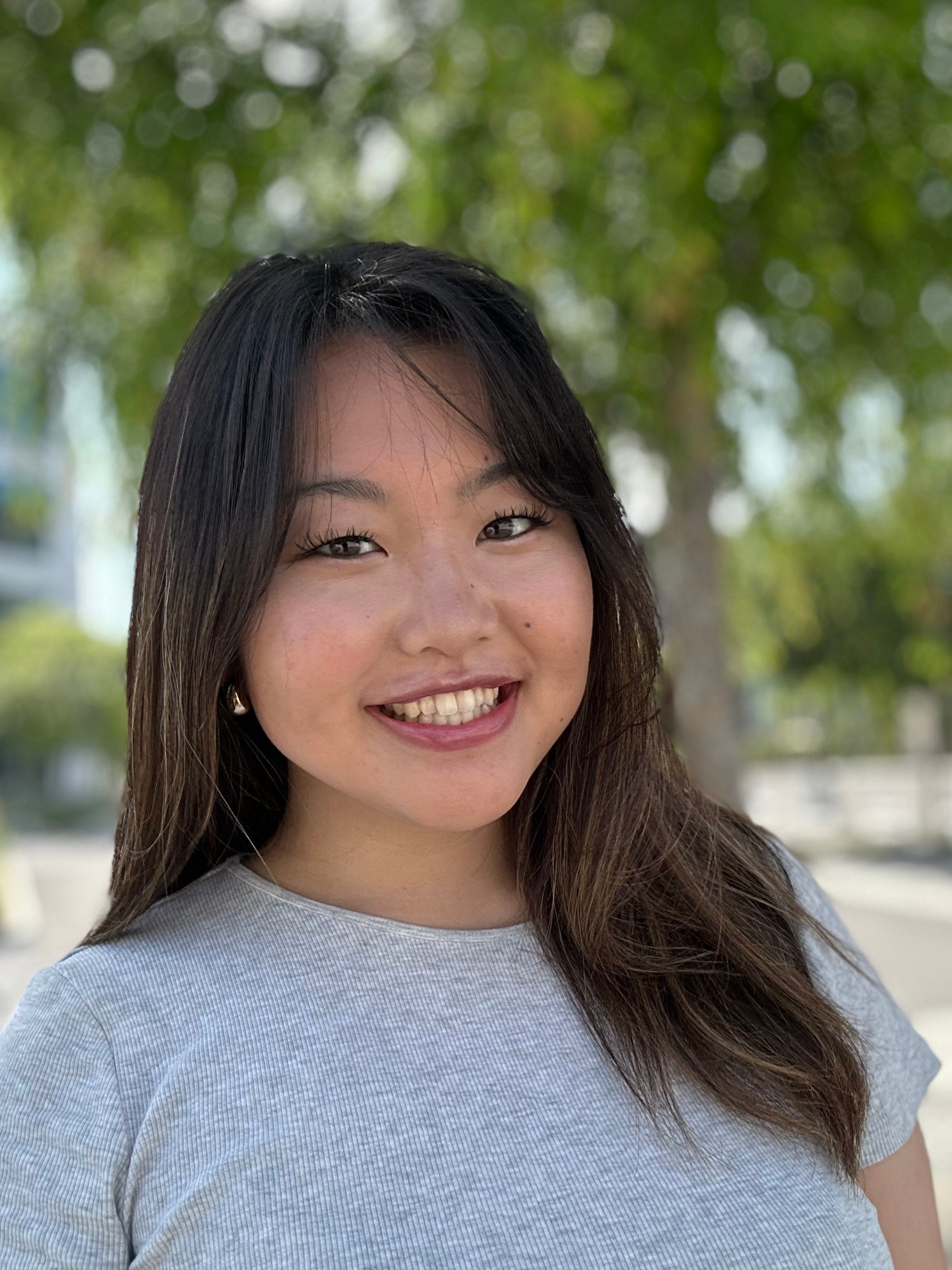
In early 2025, she secured a spot in UC Riverside’s Research in Science and Engineering (RISE) program and received a grant of about $7,000 from the American Epilepsy Society (AES), allowing her to dive into a focused research project starting in June.
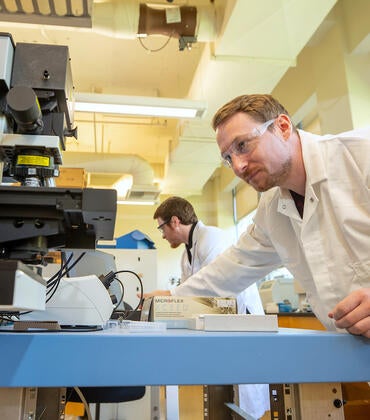
Under the mentorship of Santhakumar and postdoctoral researcher Francisco Javier Guevara-Pantoja, Furukuwa explored the role of cell loss in altered inhibitory neuron activity in shaping the onset and offset of seizures. The topic challenged her technically — she followed experimental guidelines and learned immunohistochemistry — and sharpened her critical thinking skills.
“In research, it’s essential to approach information with a critical mindset,” Furukuwa said. “I developed the ability to carefully evaluate and question results to uncover the truth.”
Furukuwa credits Santhakumar’s supportive mentorship and the inclusive lab environment for her growth as a young scientist.
“Dr. Santhakumar breaks down the hardest concepts into manageable parts and supports anyone eager to learn,” Furukuwa said.
Santhakumar, a professor of molecular, cell and systems biology, studies how brain circuits in the hippocampus, especially those that normally prevent overexcited brain activity, change in epilepsy. Researchers in her lab look at how certain brain cells and genes affect these circuits, which can help explain why seizures happen and why some people with epilepsy also have conditions like autism.
“Marin is an extremely curious and driven student who is passionate about understanding the brain,” Santhakumar said. “It has been a pleasure to see her enthusiasm for research and professional development opportunities and gain confidence as a researcher. Her dedication to pursuing research at personal cost is commendable.”
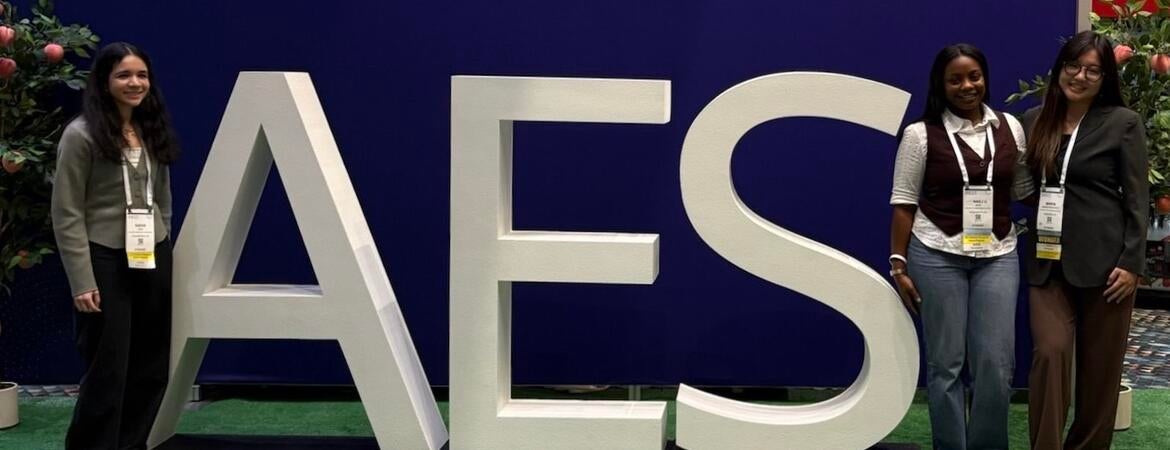
The highlight of Furukuwa’s internship came in December 2025, when she presented her research in a poster presentation in Atlanta, Georgia, at the annual meeting of the AES, with travel support provided by the society. The experience connected her with a global community passionate about epilepsy research and deepened her understanding of the gap between patients and specialists.
“It reinforced my determination to pursue a career in nursing and clinical healthcare,” Furukuwa said. “I would like to help others facing similar challenges.”
Continuing her work in the lab alongside Guevara-Pantoja, Furukuwa hopes her journey will inspire fellow students to pursue their own research opportunities.
“Don’t doubt yourself,” she advised. “Apply, talk to your professors, and build relationships.”